Preclinical Neurology & CNS Studies

BioLegacy’s areas of expertise include:

Multiple Sclerosis / CNS Inflammation

Spinal Cord Injury & Surgeries

Seizure / Epilepsy

Behavioral & Cognitive Testing

Drug Delivery / CNS Access

Custom CNS Models

Multiple Sclerosis / CNS Inflammation

Assessing a therapeutic’s potential to treat multiple sclerosis or other neuroinflammatory disorders requires models which accurately recapitulate the specific autoimmune and neurodegenerative aspects of the targeted disease. BioLegacy utilizes a comprehensive suite of Experimental Autoimmune Encephalomyelitis (EAE) models so we can select the precise platform that aligns with your compound’s mechanism of action. Our expertise across these diverse, T-cell mediated models of CNS inflammation ensures a definitive assessment of your therapeutic’s ability to modulate demyelination, inhibit immune cell infiltration, and preserve neurological function.

  • MOG-Induced EAE: The gold-standard model inducing both T-cell and demyelinating B-cell responses.
  • PLP-Induced EAE: A T-cell-dominant model ideal for studying relapsing-remitting disease phenotypes.
  • Spontaneous EAE Models: Transgenic models for studying disease initiation without external immunization.
  • Acute EAE in C57BL/6 Mice: A rapid, monophasic model for assessing acute neuroinflammation.
  • Relapsing-Remitting EAE in SJL Mice: The classic model for evaluating therapies that impact disease recurrence.
  • Chronic Progressive EAE in Biozzi Mice: A specialized model for studying progressive neurodegeneration.

Spinal Cord Injury & Surgeries

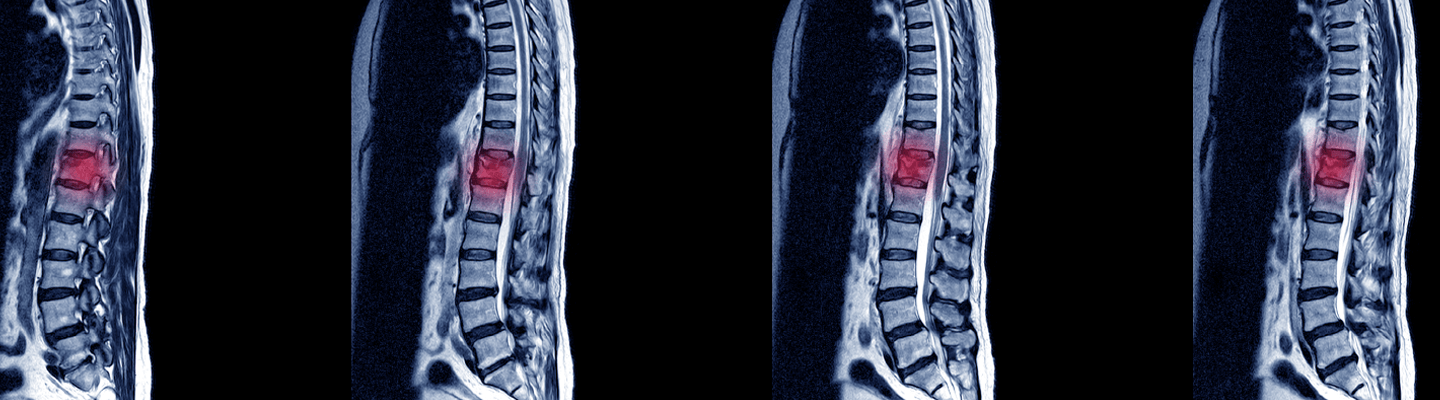
Evaluation of neuroprotective and regenerative therapeutics, devices, and surgical interventions for spinal cord injury (SCI) demands surgical precision and a deep understanding of the resulting complex pathophysiology. With a state-of-the-art veterinary surgical suite and world-class veterinary surgeons, we have the capability to implant small-scale medical devices on rodents, create highly reproducible surgically-induced SCI models, and faithfully test precise surgical interventions. Using comprehensive functional assessments and quantitative histopathology, we deliver a robust data package on your therapy’s potential to preserve tissue, limit damage, and restore locomotor function.


  • Spinal Cord Injury Models: Expertise in creating graded contusion, compression, and transection SCI models to mimic a range of human injury severities in rats, minipigs, and NHP’s.
  • Spinal Ligation (Rat): The Chung model of spinal nerve ligation (L5/L6) to induce a robust and persistent state of neuropathic pain, ideal for testing novel analgesics.
  • Spinal Surgeries: Advanced procedural capabilities including laminectomies, dorsal rhizotomies, and intrathecal cannulation for targeted therapeutic delivery.
  • Implantations & Surgical Interventions: Deep microsurgical experience for implantation of miniaturized medical devices and testing of precise surgical procedures.

Seizure / Epilepsy

BioLegacy provides rigorous evaluation of anti-convulsant and anti-epileptic therapeutics through definitive, quantitative evaluation of seizure suppression. Integrating gold-standard epilepsy models with continuous, tethered video-electroencephalography (vEEG) monitoring, we provide comprehensive characterization of your compound’s efficacy in preventing seizure initiation, propagation, and generalization, delivering unambiguous electrophysiological data to advance your neuroscience program.

  • Acute Seizure Models (PTZ, MES): For rapid screening of anti-convulsant activity.
  • Chronic Kindling Models: To study epileptogenesis and the prevention of chronic epilepsy.
  • Continuous Video-EEG Monitoring: For definitive, quantitative analysis of seizure frequency and duration.
  • Genetic & Spontaneous Seizure Models: Transgenic platforms for studying the underlying genetics of epilepsy.

Behavioral & Cognitive Testing

The efficacy of many CNS therapeutics is ultimately defined by its ability to produce a quantifiable improvement in function, and the approval of many classes of compounds requires demonstrating lack of neurotoxicity. BioLegacy provides critical behavioral and cognitive phenotyping through a comprehensive battery of validated assays. Our expertise in dissecting subtle but significant changes in motor coordination, sensory perception, and cognitive function provides a robust, objective assessment of your compound’s in vivo effect, delivering the critical functional data required to demonstrate proof-of-concept or safety and advance your neuroscience program.

  • Open Field Behavioral Screening: Rapidly assess baseline locomotor activity and anxiety-like behavior.
  • Morris Water Maze: The gold-standard assay for assessing hippocampus-dependent spatial learning and memory.
  • Rotorod: A sensitive measure of motor coordination, balance, and motor skill learning.
  • Beam Walk: Challenges fine motor control and balance to detect subtle sensorimotor deficits.
  • Rotometer: Quantifies unilateral motor deficits by measuring rotational behavior after a lesion.
  • Paw Strength (Grip Strength): A quantitative measure of muscular function in forelimbs or hindlimbs.
  • Functional Observational Battery (FOB): A systematic, semi-quantitative screen for overt neurological and behavioral effects.
  • Von Frey Sensory Testing: Precisely measures mechanical allodynia to assess neuropathic pain thresholds.
  • Paw Placing (Forelimb/Hindlimb): A sensorimotor test to evaluate responsiveness to tactile and proprioceptive stimuli.

Drug Delivery / CNS Access

A therapeutic’s efficacy against a CNS target is contingent upon its ability to achieve sufficient exposure within the correct anatomical compartment. BioLegacy’s advanced neurosurgical capabilities address this fundamental challenge, providing precise and targeted delivery of your compound. Our expertise in a range of invasive administration techniques allows for the definitive assessment of a therapeutic’s CNS activity, bypassing the blood-brain barrier to directly evaluate target engagement and downstream functional effects.

  • Rat Intracerebroventricular Studies: Direct administration into the cerebral ventricles for broad, pan-cerebral distribution of your therapeutic.
  • Stereotactic Delivery (Small & Large Animals): High-precision, image-guided injection into specific, deep brain nuclei for targeted mechanistic studies.
  • Intrathecal Injection (Small & Large Animals): Administration into the subarachnoid space for targeted delivery to the spinal cord and cerebrospinal fluid.

Custom CNS Models

When established CNS models are insufficient to address your program’s unique scientific questions, a bespoke in vivo system is required. BioLegacy has deep experience in the design and validation of novel, custom CNS models to precisely recapitulate specific human neuropathologies. Our capabilities in advanced neurosurgery and neuropharmacology across multiple species allows us to engineer the exact translational platform needed to evaluate your unique mechanism of action and generate definitive, decision-driving efficacy data.

  • Custom Surgical & Injury Models: Development of novel models for CNS injuries and other complex neuropathologies.
  • Toxin- & Lesion-Induced Models: Precise, stereotactic creation of models targeting specific neuronal populations or pathways.
  • Multi-Modal Model Validation: Rigorous characterization using behavioral, biomarker, and quantitative histological endpoints, among others.
  • Seamless Integration into Efficacy Studies: Transitioning your validated custom model into a robust therapeutic evaluation.
Don’t see a model you need? Our portfolio of validated models expands all the time. Ask us - we might have it!
BioLegacy bridges the synapse between discovery and the clinic.
  • Expert guidance on study design
  • Hundreds of models available
  • Many large & small animal species available
  • GLP or non-GLP studies
  • Rapid study initiation - usually in under 2 weeks
Contact us today and advance your pipeline!