Animal Model Development

Animal Model Development Services

When existing models are insufficient to address your therapy’s unique mechanisms, BioLegacy provides bespoke model development services to create the precise in vivo system your program requires. Our multidisciplinary team of scientists and veterinary surgeons collaborates with you to design, engineer, and validate novel models that accurately recapitulate the relevant aspects of human disease pathology. With deep expertise across a comprehensive range of species — from genetically engineered rodents to surgically modified large animals, including non-human primates — we deliver highly translatable, purpose-built models that provide definitive answers to your most critical preclinical challenges.


  • Multi-Species Availability In-house capabilities from rodents to non-human primates.
  • Surgical Model Development Expertise in creating novel and complex surgical models.
  • Genetically Engineered Models (GEM) Transgenic, knockout, and knock-in rodent models for complex target validation.
  • Diet- and Chemically-Induced Models tailored to specific research needs.
  • Tumor Model Development Orthotopic and metastatic model creation using client-specified cell lines or patient-derived tissues.
  • Comprehensive Model Validation Rigorous validation of all newly developed models using functional, imaging, biomarker, and histopathological endpoints to ensure clinical relevance.
  • GLP & Non-GLP Integration Seamless integration of newly validated models into both exploratory pharmacology and regulated IND-enabling study pipelines.
  • Expert Scientific Consultation ensures the final model is optimally designed to meet your specific scientific and regulatory objectives.

Genetically Engineered Models (GEMs)

The most faithful recapitulation of human disease states with genetic bases often requires reproducing mutations in model species. BioLegacy provides a comprehensive service for the development and deployment of genetically engineered models. We create the precise knockout, knock-in, or transgenic models needed for definitive target validation, mechanism-of-action, and efficacy studies, providing a direct and unambiguous link between genetic modulation and phenotypic outcome.

  • Multi-Species Availability In-house capabilities from rodents to non-human primates.
  • Surgical Model Development Expertise in creating novel and complex surgical models.
  • Genetically Engineered Models (GEM) Transgenic, knockout, and knock-in rodent models for complex target validation.
  • Diet- and Chemically-Induced Models tailored to specific research needs.
  • Tumor Model Development Orthotopic and metastatic model creation using client-specified cell lines or patient-derived tissues.
  • Comprehensive Model Validation Rigorous validation of all newly developed models using functional, imaging, biomarker, and histopathological endpoints to ensure clinical relevance.
  • GLP & Non-GLP Integration Seamless integration of newly validated models into both exploratory pharmacology and regulated IND-enabling study pipelines.
  • Expert Scientific Consultation ensures the final model is optimally designed to meet your specific scientific and regulatory objectives.

Holistic Toxicology Study Support

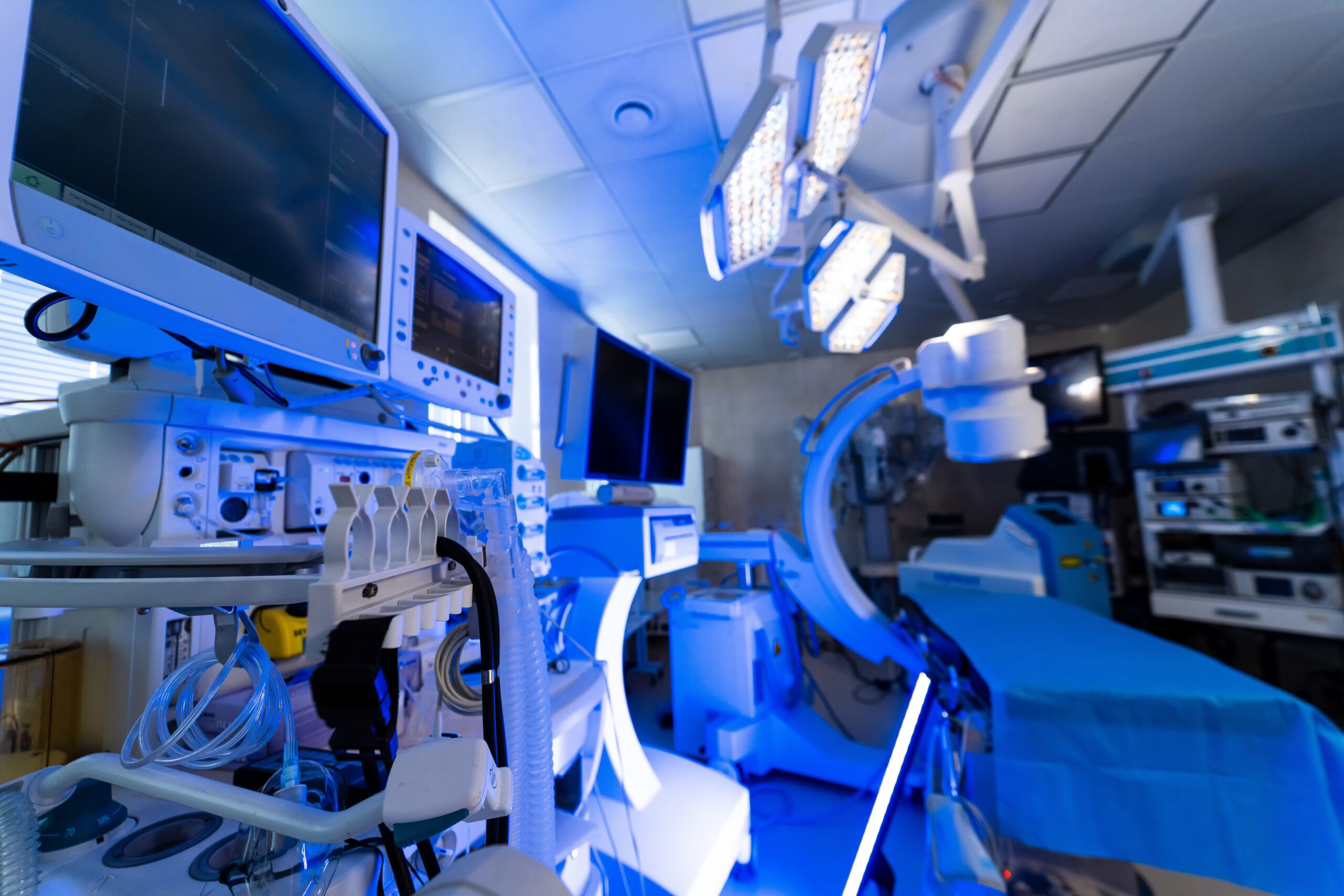
To accurately evaluate therapeutics for conditions rooted in anatomical or injury-based pathology, a model must be created with surgical precision. Our highly skilled veterinary surgeons specialize in this, operating in state-of-the-art surgical suites to create consistent and reproducible models of complex diseases. Led by renowned veterinary surgeon Dr. DingGang Liu, an expert in microsurgeries, we have the ability to perform exactingly precise surgeries to induce the necessary pathologies for your study, providing the ideal platform to generate pivotal efficacy and safety data.

  • Advanced Neurosurgical Models Expertise in creating models for stroke, traumatic brain injury, and spinal cord injury.
  • Cardiovascular & Vascular Surgery Go beyond the standard models for myocardial infarction, heart failure, vascular injury, and other cardiovascular conditions.
  • Orthopedic & Skeletal Injury Models Evaluate therapeutics in fracture healing, cartilage repair, osteoarthritis, and more
  • Specialized Device Implantation Proficiency in implanting a wide range of medical devices, including neurological, orthopedic, and cardiovascular implants.
  • Complex Cannulation Models Creation of bile duct, vascular, and CSF-cannulated models for specialized sampling and dosing.
  • Fibrosis and Other Models Replicate various organ and tissue injury pathologies.

Chemically-Induced & Diet-Induced Models

The pathological state of many systemic diseases are best replicated by introducing toxins, nutrients, or otherwise altering the homeostasis of an organism. We leverage a deep knowledge of pharmacology and physiology to implement a wide array of chemically-induced and diet-induced models. Modifications to the induction protocol enable precise calibration of disease severity and provide a robust, clinically relevant system for evaluating the efficacy of novel therapeutics.

  • Metabolic Disease Induction Diet-induced models of obesity, MASH, diabetes, dyslipidemia, and other conditions.
  • Organ Fibrosis Models Chemically-induced models of fibrosis in a range of organs including liver, lung, and kidney.
  • Inflammatory & Autoimmune Models Use of novel allergens and irritants to recapitulate a range of immune responses.
  • Chemically-Induced Neurological Models for neurodegenerative and neuropsychiatric diseases.
  • Oncology Induction Models Carcinogen-induced tumor models.

Model Characterization & Validation

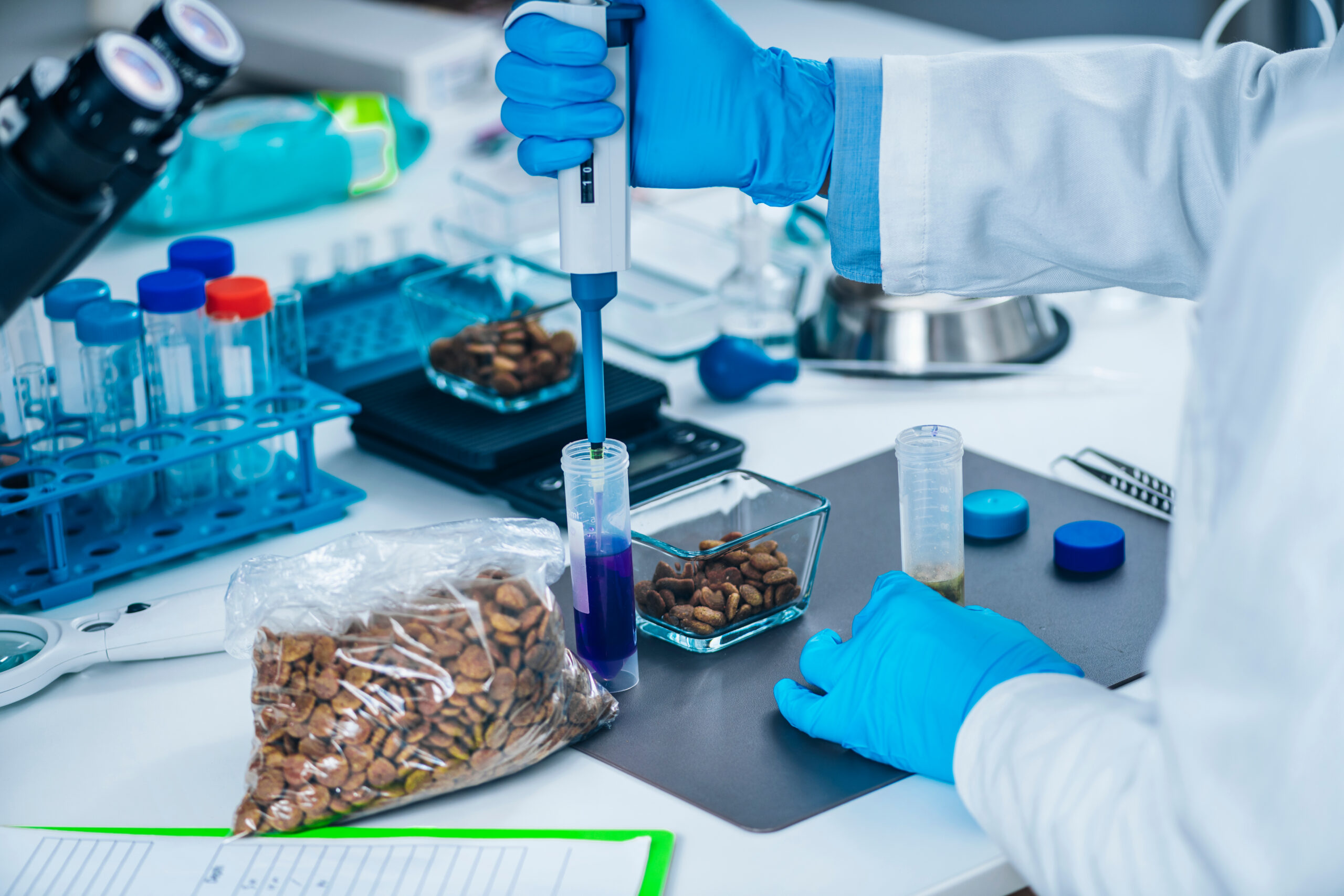
Any novel in vivo model is incomplete without a rigorous validation process to ensure it is fit-for-purpose. Every custom model developed at BioLegacy undergoes a comprehensive characterization to confirm it faithfully recapitulates the key aspects of the human condition. Our multi-modal approach integrates functional, biomarker, and histological data to provide you with complete confidence in the model’s translational relevance and the integrity of your study results.

  • Histopathological Confirmation Board-certified pathologists confirm key pathological hallmarks of the disease.
  • Functional & Behavioral Phenotyping A full battery of relevant functional tests (e.g., locomotor, cognitive, hemodynamic) to confirm disease phenotype.
  • Biomarker Discovery & Profiling Identification and validation of key biomarkers to track disease progression and therapeutic response.
  • Advanced In Vivo & Ex Vivo Imaging to structurally and functionally characterize the model.
  • Pharmacological Validation Testing with known standard-of-care compounds to confirm the model responds appropriately and predictably.

Trust the Experts

We’ve been advancing therapeutic programs for 25 years.

  • Experience with 100s animal models - we’ll develop the right one for you!
  • Many species, from mice to NHPs
  • New, state-of-the-art facilities
  • “Extra mile” service and support
Need a unique model? Contact us today.