Preclinical Pulmonology Studies

BioLegacy’s areas of expertise include:

COPD

Asthma

Lung Fibrosis

COPD

BioLegacy provides faithful modeling of the distinct pathologies of Chronic Obstructive Pulmonary Disease (COPD), from profound emphysematous changes to chronic airway inflammation, through a suite of validated COPD models to match your therapeutic’s mechanism of action. Our expertise in induced COPD models ensures a definitive, quantitative assessment of your compound’s ability to mitigate inflammation, preserve lung structure, and improve respiratory function, delivering the pivotal data your program requires.

  • PPE-Induced COPD: Intratracheal porcine pancreatic elastase (PPE) induces rapid and severe airspace enlargement, providing a robust model for evaluating therapies targeting emphysema and structural lung repair.
  • Smoke-Induced COPD: A gold-standard, chronic exposure model that faithfully recapitulates the key hallmarks of human COPD, including progressive emphysema, mucus hypersecretion, and sustained pulmonary inflammation.

Asthma

A translationally relevant assessment of a therapeutic’s potential to treat allergic asthma requires a model that faithfully recapitulates the sensitization, challenge, and subsequent Th2-mediated inflammatory cascade seen in humans. BioLegacy provides these definitive assessments using a platform of robust, allergen-induced asthma models. Combined with our advanced bioanalytical and histological capabilities, we provide a clear, quantitative characterization of your compound’s ability to inhibit eosinophilic inflammation, reduce mucus hypersecretion, and attenuate airway hyperresponsiveness (AHR), delivering the pivotal efficacy data your program requires.

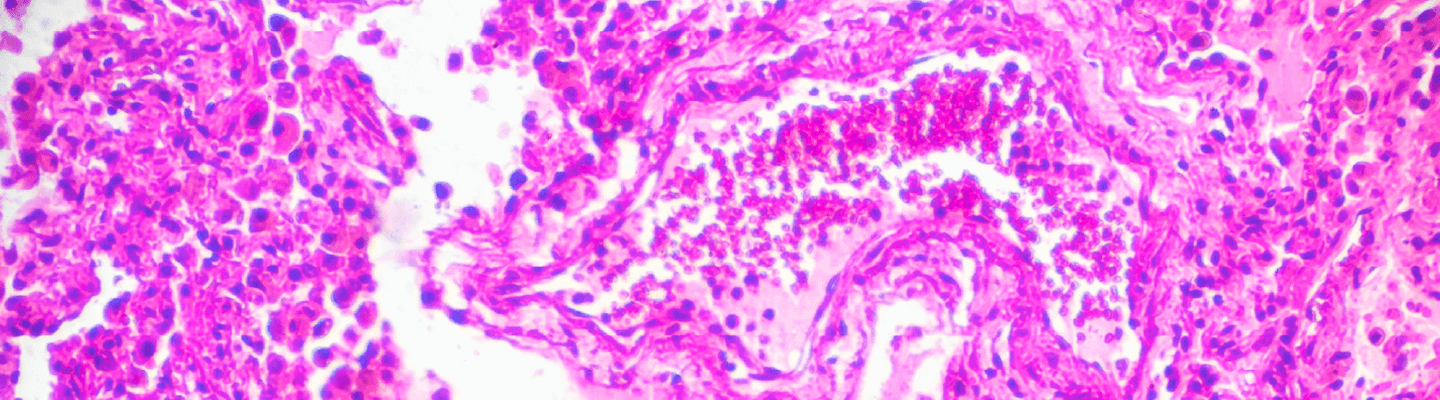
  • Ovalbumin-Induced Asthma: The gold-standard, highly reproducible Th2-dominant model for rapidly assessing therapeutic impact on eosinophilic inflammation and airway hyperresponsiveness.
  • Cockroach Antigen-Induced Asthma: This common human allergen induces a robust, mixed granulocytic inflammatory response and airway remodeling.

Lung Fibrosis

Progressive and often irreversible deposition of extracellular matrix is a key pathological driver of lung fibrosis, and one which animal models must replicate to be translational. BioLegacy provides such a model for preclinical studies: the gold-standard bleomycin-induced lung fibrosis model. This model accurately mimics the key pathological drivers of the disease such that your study delivers a clear, quantitative characterization of your compound’s ability to attenuate fibroblast proliferation, reduce collagen deposition, and preserve lung function.

  • Bleomycin-Induced Models: The industry-standard model for inducing robust, progressive lung fibrosis via intratracheal or systemic bleomycin administration.
  • Quantitative Histopathology (Ashcroft Score): Expert, blinded pathological scoring of fibrosis severity using the validated Ashcroft scoring system.
  • Whole-Lung Hydroxyproline Analysis to measure total collagen content in the lung as a primary efficacy endpoint.
  • Gene Expression & Biomarker Analysis: Measures key pro-fibrotic and inflammatory markers (e.g., TGF-β).
Don’t see a model you need? Our portfolio of validated models expands all the time. Ask us - we might have it!
Trust BioLegacy with your preclinical pulmonary disease study and breathe easy.
  • Expert study design guidance
  • “Extra Mile” service & support
  • Rapid study initiation - usually in under 2 weeks
  • GLP and non-GLP studies
  • Expedited reporting
Contact us today and start your study!